Clean Energy Systems
for industrial properties that benefit tenants and owners

You make the introduction, MYNT handles the energy project, and you earn 2–3% of every project that closes.

Energy is already on the table so you might as well get paid for it

Your clients are negotiating leases, tenant improvements, and capital projects. Energy costs are part of every building conversation. Referring them to MYNT costs you nothing and adds a recurring revenue stream on top of deals you're already closing.

2-3%

Your Cut of Total project cost

$1.5-5M

Typical Project Size

$45,000+

Average Broker Commission

A Simplified Process

We focus on California's commercial and industrial market.

Trusted by the best

Three stages and we do two of them

01

Make Introduction

Broker

  • Provide intro to Owner/Tenant

  • Gather Property/Portfolio information: address, building use, operating characteristics, electric utility information,)

  • Determine client goal (solar, solar + battery, EV Charging etc)

MYNT

  • Use all available property/client information to perform feasibility study and create project proposal.

  • Define project specifications: initial design, project size, technology selection, cost, savings, payback period, IRR

  • Present project proposal to client

02

Design & Engineering (D&E)

Once the Owner confirms that the opportunity merits further development, the project proceeds to the Design & Engineering Phase (“D&E”).

During this stage, MYNT engages engineering and project management teams to perform:

  • Engineering and system design

  • Permitting and regulatory approvals

  • Detailed cost and schedule development

  • Procurement and construction preparation

Broker is paid 33% of the Design and Engineering Agreement contract value, payable in two installments: 50% at agreement execution and upon Company's receipt of the Client deposit and the remaining 50% upon completion and acceptance of the Design and Engineering work scope.

03

Construction Contract

Once D&E is finished a fully engineered and permitted project is ready for construction. The client enters into a EPC agreement with MYNT Systems to fully construct and commission clean energy project.

  • System is constructed

  • Utility coordination and interconnection

  • Procurement and construction

  • Inspection, commissioning, and testing

  • Utility Permission to Operate (“PTO”)

1% of the total executed EPCA (engineering, procurement, and construction agreement) contract value will be paid to Broker upon Company’s receipt of the deposit from the Client (first milestone payment).

The Final Payment shall equal the Total Fee (3% of the actual, final executed EPCA contract value) less the sum of all advance payments previously made to Contractor under this Agreement. The Final Payment shall be due upon Company's receipt of the final payment from Client in accordance with the terms of the EPCA.


We focus on California's commercial and industrial market.

Our Areas of Expertise

  • Rooftop & carport solar

  • Solar + Battery

  • Battery only

  • EV Charging

Who we work with

  • Owner Operators (preferred)

  • Tenant (tenant saves money, landlord may benefit through extended leases, increased revenue)

  • Landlords (owners can benefit by attracting higher paying tenants, increased revenue, increase in NOI and property value)

Deals we look for

  • 20,000+ Square feet C&I properties in California

  • Energy Intensive operations: cold storage, logistics/distribution, manufacturing, R&D, large offices,

Deals we are not looking for

  • < 10,000+ Square feet

  • small retail, fast food, low energy users

We focus on California's commercial and industrial market.

Our Areas of Expertise

  • Rooftop & carport solar

  • Solar + Battery

  • Battery only

  • EV Charging

Who we work with

  • Owner Operators (preferred)

  • Tenant (tenant saves money, landlord may benefit through extended leases, increased revenue)

  • Landlords (owners can benefit by attracting higher paying tenants, increased revenue, increase in NOI and property value)

Deals we look for

  • 20,000+ Square feet C&I properties in California

  • Energy Intensive operations: cold storage, logistics/distribution, manufacturing, R&D, large offices,

Deals we are not looking for

  • < 10,000+ Square feet

  • small retail, fast food, low energy users

We focus on California's commercial and industrial market.

Our Areas of Expertise

  • Rooftop & carport solar

  • Solar + Battery

  • Battery only

  • EV Charging

Who we work with

  • Owner Operators (preferred)

  • Tenant (tenant saves money, landlord may benefit through extended leases, increased revenue)

  • Landlords (owners can benefit by attracting higher paying tenants, increased revenue, increase in NOI and property value)

Deals we look for

  • 20,000+ Square feet C&I properties in California

  • Energy Intensive operations: cold storage, logistics/distribution, manufacturing, R&D, large offices,

Deals we are not looking for

  • < 10,000+ Square feet

  • small retail, fast food, low energy users

We bring value to Property Owners and Tenants

Owner operator Direct investment

Property owner and operator invests into clean energy system.

  • Immediate OpEx Reduction: The owner realizes 100% of the energy bill savings, directly lowering the operating expenses of the business.

  • Tax Optimization: The owner can fully monetize federal incentives, such as the Investment Tax Credit (ITC) and accelerated depreciation, significantly offsetting the initial capital outlay.

  • Utility Hedge: By generating power onsite, the owner locks in a fixed "levelized cost of energy," protecting the business against volatile utility rate hikes for the next 20–25 years.

PRoperty Owner Investment

When a property owner invests in a clean energy system for a tenanted building, the value is captured through lease terms and asset appreciation rather than just the utility bill.

  • Lease Extension Strategy: Owners can use clean energy as a bargaining chip. In exchange for installing a system that lowers the tenant's monthly overhead, the tenant agrees to a 5 or 10 year lease extension, reducing vacancy risk.

  • Asset Appreciation: By lowering the building's operating costs, the owner increases the Net Operating Income (NOI). When applying a market capitalization rate, this leads to a direct increase in the property’s total valuation.

  • Premium Positioning: Buildings with modern energy infrastructure often command higher "green" rents and attract high quality, ESG-conscious corporate tenants who are willing to pay a premium for carbon-neutral facilities.

Example: the property owner invest in a clean energy tenant improvement project, the property owner secures an eight year lease extension while recouping 50% of the system's cost through a rent amortization schedule. This structure creates a powerful financial arbitrage: the tenant’s energy savings immediately outpace the incremental rent increase, lowering their total occupancy costs and incentivizing the long-term commitment. Simultaneously, the owner successfully deploys TI capital to drive a permanent lift in Net Operating Income. This boost in NOI, once capitalized, delivers a direct and substantial increase in the property’s market valuation and overall asset equity.

PRoperty Owner Investment

The property owner invests in a clean energy system and enters into an onsite power purchase agreement with the tenant.

  • Arbitrage and Spread: The owner installs the system and sells the electricity to the tenant at a rate slightly lower than the local utility. The owner pockets the "spread" between the system’s amortized cost and the sale price of the power.

  • Dual Revenue Stream: The property now generates two types of income: traditional real estate rent and energy production revenue.

Tenant Lead investment

This occurs most often in "Triple Net" (NNN) leases where the tenant is responsible for all utility costs and has a long term horizon.

  • Self-Funded Savings: If the lease is long enough (15+ years), the tenant may fund the system themselves to drive down their long term operating expenses.

  • The "Fund for Extension" Request: A tenant may ask the owner to provide the capital for the system. In return, the tenant commits to a significantly longer lease term or a higher base rent, effectively paying back the owner’s capital through the lease.

  • Partial Funding/Co-Investment: Both parties contribute to the capital. The tenant gets lower bills and meets corporate sustainability goals, while the owner gets a permanent building upgrade with reduced capital risk.

We bring value to Property Owners and Tenants

Owner operator Direct investment

Property owner and operator invests into clean energy system.

  • Immediate OpEx Reduction: The owner realizes 100% of the energy bill savings, directly lowering the operating expenses of the business.

  • Tax Optimization: The owner can fully monetize federal incentives, such as the Investment Tax Credit (ITC) and accelerated depreciation, significantly offsetting the initial capital outlay.

  • Utility Hedge: By generating power onsite, the owner locks in a fixed "levelized cost of energy," protecting the business against volatile utility rate hikes for the next 20–25 years.

PRoperty Owner Investment

When a property owner invests in a clean energy system for a tenanted building, the value is captured through lease terms and asset appreciation rather than just the utility bill.

  • Lease Extension Strategy: Owners can use clean energy as a bargaining chip. In exchange for installing a system that lowers the tenant's monthly overhead, the tenant agrees to a 5 or 10 year lease extension, reducing vacancy risk.

  • Asset Appreciation: By lowering the building's operating costs, the owner increases the Net Operating Income (NOI). When applying a market capitalization rate, this leads to a direct increase in the property’s total valuation.

  • Premium Positioning: Buildings with modern energy infrastructure often command higher "green" rents and attract high quality, ESG-conscious corporate tenants who are willing to pay a premium for carbon-neutral facilities.

Example: the property owner invest in a clean energy tenant improvement project, the property owner secures an eight year lease extension while recouping 50% of the system's cost through a rent amortization schedule. This structure creates a powerful financial arbitrage: the tenant’s energy savings immediately outpace the incremental rent increase, lowering their total occupancy costs and incentivizing the long-term commitment. Simultaneously, the owner successfully deploys TI capital to drive a permanent lift in Net Operating Income. This boost in NOI, once capitalized, delivers a direct and substantial increase in the property’s market valuation and overall asset equity.

PRoperty Owner Investment

The property owner invests in a clean energy system and enters into an onsite power purchase agreement with the tenant.

  • Arbitrage and Spread: The owner installs the system and sells the electricity to the tenant at a rate slightly lower than the local utility. The owner pockets the "spread" between the system’s amortized cost and the sale price of the power.

  • Dual Revenue Stream: The property now generates two types of income: traditional real estate rent and energy production revenue.

Tenant Lead investment

This occurs most often in "Triple Net" (NNN) leases where the tenant is responsible for all utility costs and has a long term horizon.

  • Self-Funded Savings: If the lease is long enough (15+ years), the tenant may fund the system themselves to drive down their long term operating expenses.

  • The "Fund for Extension" Request: A tenant may ask the owner to provide the capital for the system. In return, the tenant commits to a significantly longer lease term or a higher base rent, effectively paying back the owner’s capital through the lease.

  • Partial Funding/Co-Investment: Both parties contribute to the capital. The tenant gets lower bills and meets corporate sustainability goals, while the owner gets a permanent building upgrade with reduced capital risk.

We bring value to Property Owners and Tenants

Owner operator Direct investment

Property owner and operator invests into clean energy system.

  • Immediate OpEx Reduction: The owner realizes 100% of the energy bill savings, directly lowering the operating expenses of the business.

  • Tax Optimization: The owner can fully monetize federal incentives, such as the Investment Tax Credit (ITC) and accelerated depreciation, significantly offsetting the initial capital outlay.

  • Utility Hedge: By generating power onsite, the owner locks in a fixed "levelized cost of energy," protecting the business against volatile utility rate hikes for the next 20–25 years.

PRoperty Owner Investment

When a property owner invests in a clean energy system for a tenanted building, the value is captured through lease terms and asset appreciation rather than just the utility bill.

  • Lease Extension Strategy: Owners can use clean energy as a bargaining chip. In exchange for installing a system that lowers the tenant's monthly overhead, the tenant agrees to a 5 or 10 year lease extension, reducing vacancy risk.

  • Asset Appreciation: By lowering the building's operating costs, the owner increases the Net Operating Income (NOI). When applying a market capitalization rate, this leads to a direct increase in the property’s total valuation.

  • Premium Positioning: Buildings with modern energy infrastructure often command higher "green" rents and attract high quality, ESG-conscious corporate tenants who are willing to pay a premium for carbon-neutral facilities.

Example: the property owner invest in a clean energy tenant improvement project, the property owner secures an eight year lease extension while recouping 50% of the system's cost through a rent amortization schedule. This structure creates a powerful financial arbitrage: the tenant’s energy savings immediately outpace the incremental rent increase, lowering their total occupancy costs and incentivizing the long-term commitment. Simultaneously, the owner successfully deploys TI capital to drive a permanent lift in Net Operating Income. This boost in NOI, once capitalized, delivers a direct and substantial increase in the property’s market valuation and overall asset equity.

PRoperty Owner Investment

The property owner invests in a clean energy system and enters into an onsite power purchase agreement with the tenant.

  • Arbitrage and Spread: The owner installs the system and sells the electricity to the tenant at a rate slightly lower than the local utility. The owner pockets the "spread" between the system’s amortized cost and the sale price of the power.

  • Dual Revenue Stream: The property now generates two types of income: traditional real estate rent and energy production revenue.

Tenant Lead investment

This occurs most often in "Triple Net" (NNN) leases where the tenant is responsible for all utility costs and has a long term horizon.

  • Self-Funded Savings: If the lease is long enough (15+ years), the tenant may fund the system themselves to drive down their long term operating expenses.

  • The "Fund for Extension" Request: A tenant may ask the owner to provide the capital for the system. In return, the tenant commits to a significantly longer lease term or a higher base rent, effectively paying back the owner’s capital through the lease.

  • Partial Funding/Co-Investment: Both parties contribute to the capital. The tenant gets lower bills and meets corporate sustainability goals, while the owner gets a permanent building upgrade with reduced capital risk.

Example Projects

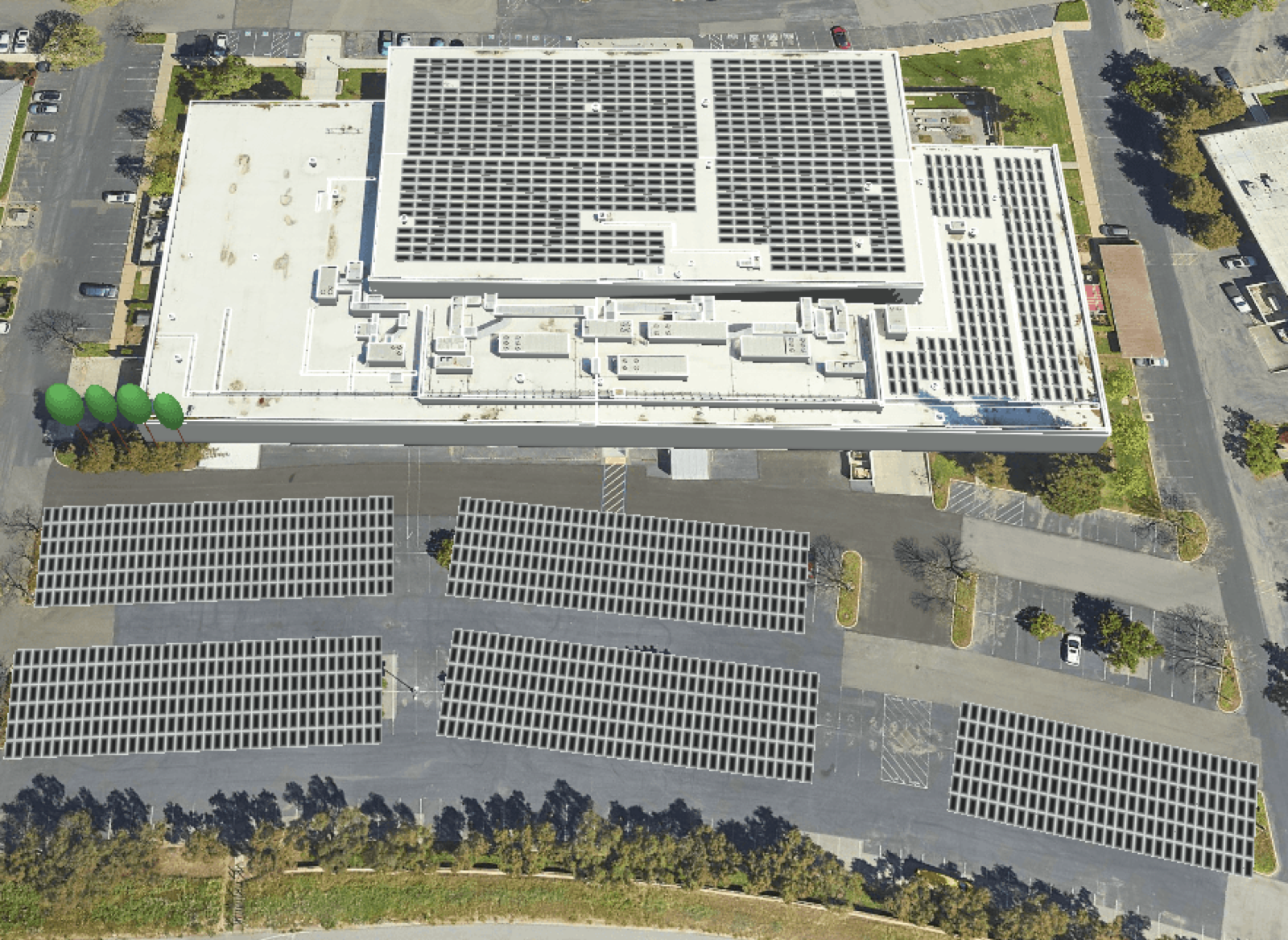
Rooftop & Carport Solar Project

$3.7 Million
  • 85,000 square feet

  • R&D Facility

  • 1,200 kW Carport + rooftop solar system

Rooftop & Carport Solar Project

$3.7 Million
  • 85,000 square feet

  • R&D Facility

  • 1,200 kW Carport + rooftop solar system

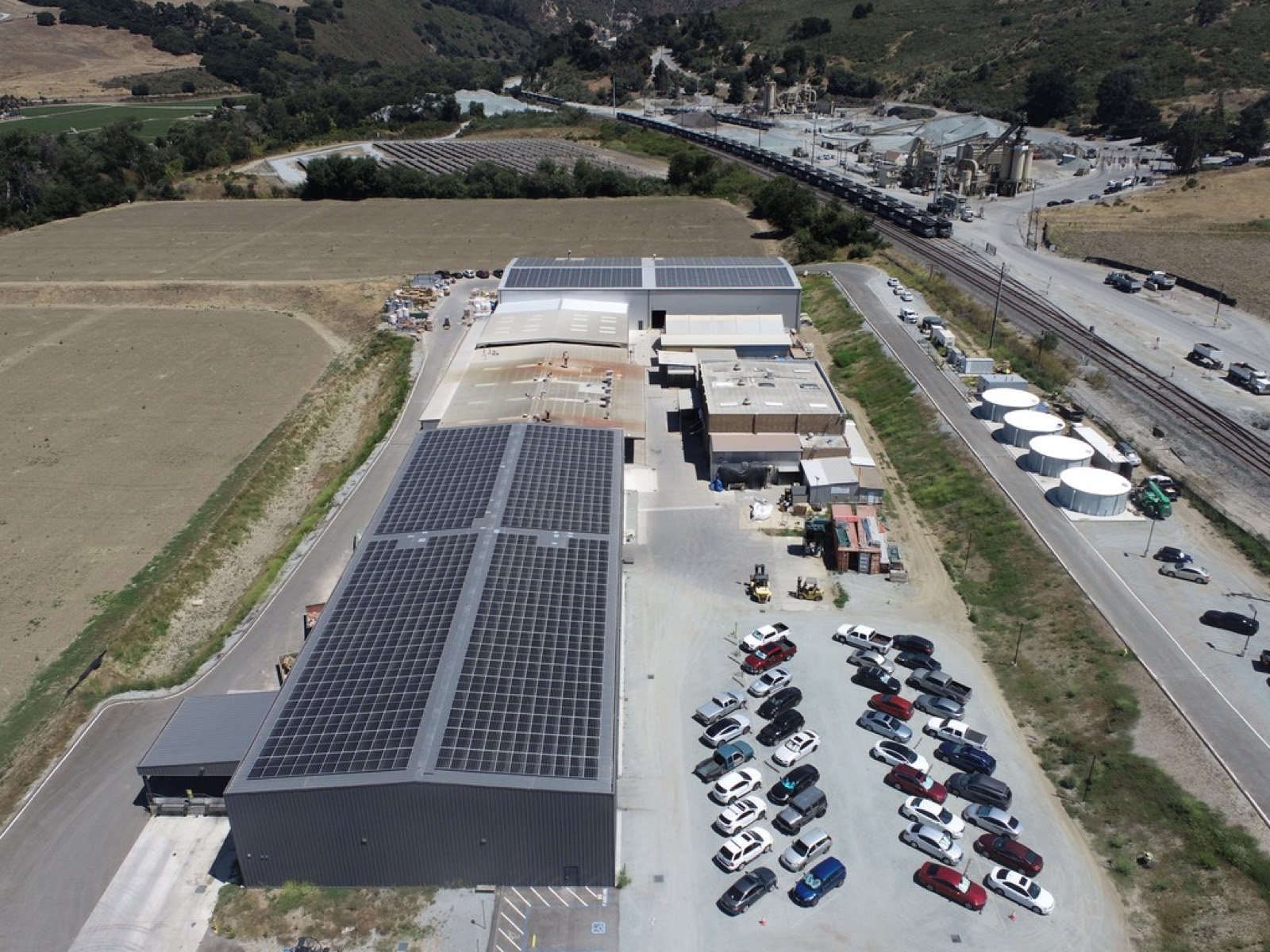
Rooftop + Battery Project

$2 Million
  • 50,000+ Square Feet

  • Manufacturing Facility

  • 580 kW Rooftop Solar

  • 500 kWh Battery Energy Storage System

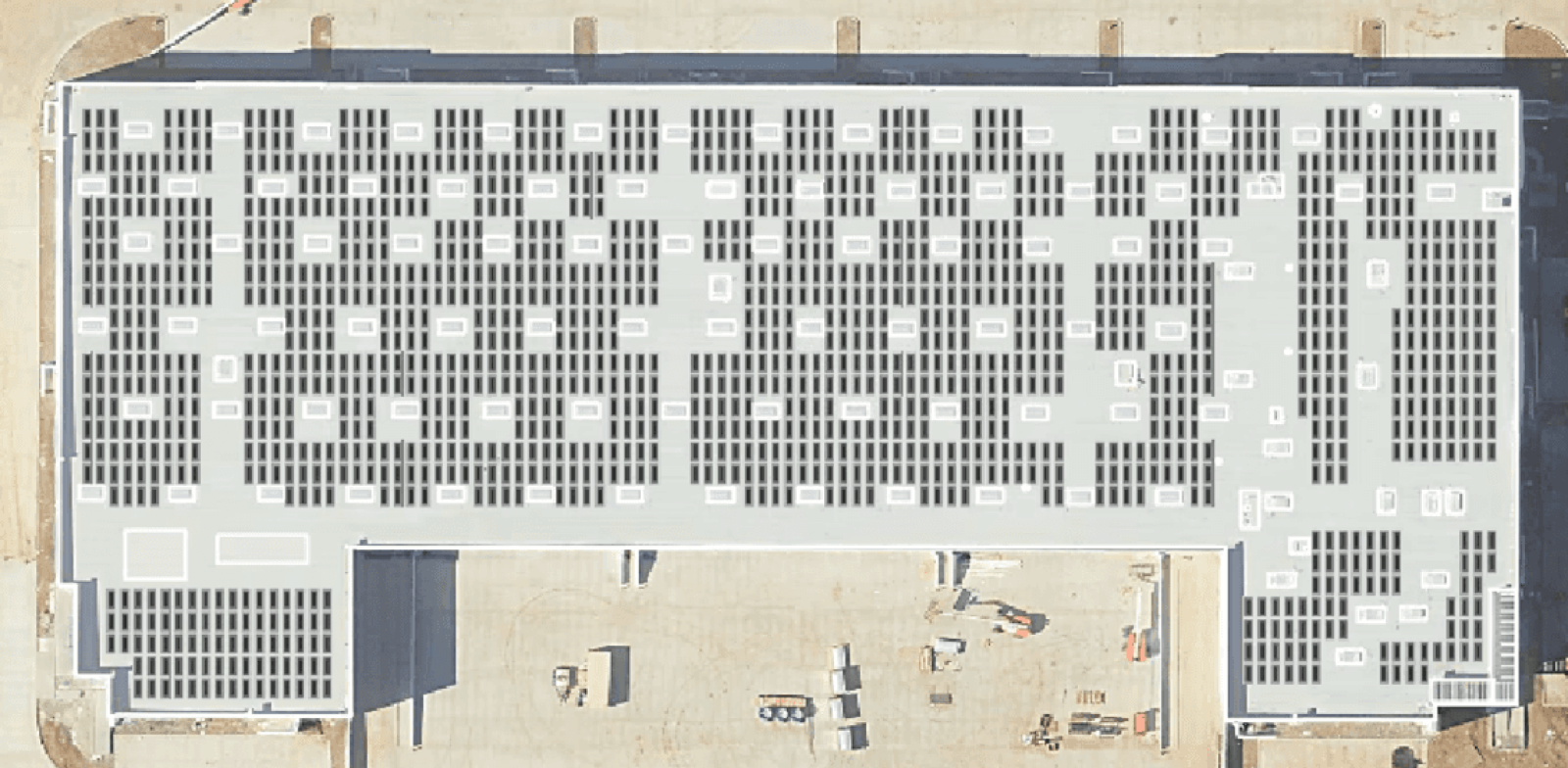
Rooftop + Battery Project

$3 Million
  • 100,000 square feet

  • Distribution Center

  • 825 kW Rooftop Solar

  • 500 kWh Battery Energy Storage System

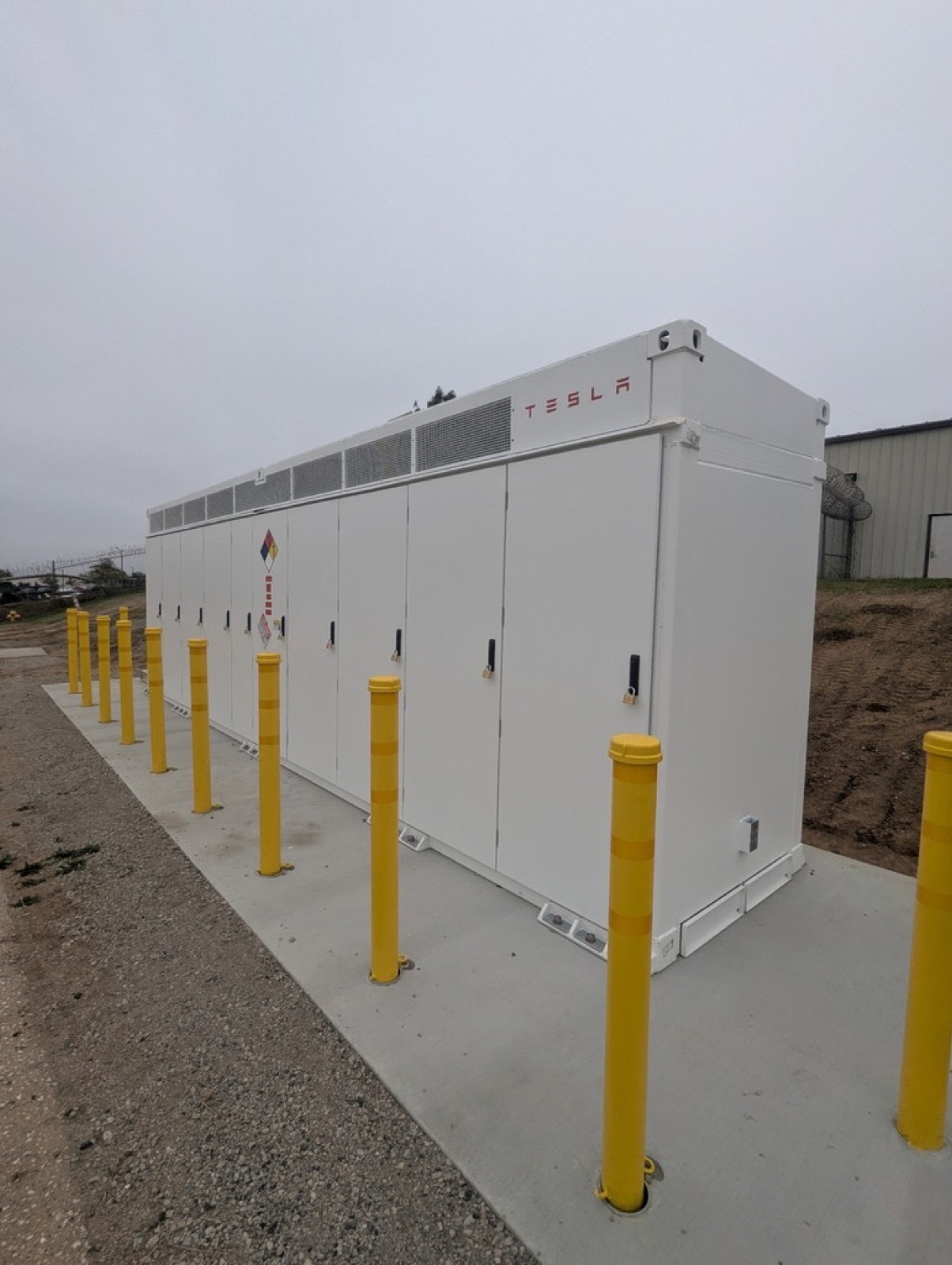
Battery Only Project

$1 Million
  • 100,000 square feet

  • Healthcare Facility

  • 1000 kWh Battery Energy Storage System

Example Projects

Rooftop & Carport Solar Project

$3.7 Million
  • 85,000 square feet

  • R&D Facility

  • 1,200 kW Carport + rooftop solar system

Rooftop & Carport Solar Project

$3.7 Million
  • 85,000 square feet

  • R&D Facility

  • 1,200 kW Carport + rooftop solar system

Rooftop + Battery Project

$2 Million
  • 50,000+ Square Feet

  • Manufacturing Facility

  • 580 kW Rooftop Solar

  • 500 kWh Battery Energy Storage System

Rooftop + Battery Project

$3 Million
  • 100,000 square feet

  • Distribution Center

  • 825 kW Rooftop Solar

  • 500 kWh Battery Energy Storage System

Battery Only Project

$1 Million
  • 100,000 square feet

  • Healthcare Facility

  • 1000 kWh Battery Energy Storage System

Example Projects

Rooftop & Carport Solar Project

$3.7 Million
  • 85,000 square feet

  • R&D Facility

  • 1,200 kW Carport + rooftop solar system

Rooftop & Carport Solar Project

$3.7 Million
  • 85,000 square feet

  • R&D Facility

  • 1,200 kW Carport + rooftop solar system

Rooftop + Battery Project

$2 Million
  • 50,000+ Square Feet

  • Manufacturing Facility

  • 580 kW Rooftop Solar

  • 500 kWh Battery Energy Storage System

Rooftop + Battery Project

$3 Million
  • 100,000 square feet

  • Distribution Center

  • 825 kW Rooftop Solar

  • 500 kWh Battery Energy Storage System

Battery Only Project

$1 Million
  • 100,000 square feet

  • Healthcare Facility

  • 1000 kWh Battery Energy Storage System

Join the MYNT broker network